
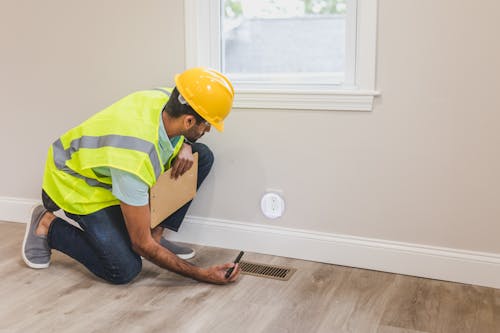
Whether you’re a first-time buyer or an experienced homeowner, purchasing a property in Hamilton can be exciting, but it also comes with risks. Hamilton’s housing market is full of older homes, renovated properties, basement apartments, and mixed-age neighbourhoods. While many of these homes offer charm and character, others hide expensive problems beneath the surface.
A professional home inspection helps uncover these hidden issues, but as a buyer, it’s equally important to understand the major red flags you should watch for during the home-buying process. Some red flags indicate minor issues that are easy to fix. Others can signal major structural concerns, safety hazards, or tens of thousands in future repairs.
Here are the top home inspection red flags commonly found in Hamilton homes, along with their significance.
Foundation Cracks and Moisture in the Basement
Hamilton’s geography and climate make foundation issues one of the most common red flags.
Homes in areas such as Westdale, Crown Point, Kirkendall, and Stoney Creek often experience:
- Horizontal or stair-step cracks
- Water seepage or damp walls
- Mold or mildew smells
- Efflorescence (white powder) on basement walls
- Bowing or shifting walls
The city’s freeze–thaw cycles and older construction styles mean basements are especially vulnerable.
Why this is a red flag:
Foundation repairs can be extremely costly. Water issues also lead to mold growth, structural weakening, and long-term damage. If your inspector finds moisture intrusion, grading problems, or structural foundation cracks, this could be a major negotiating point or a reason to walk away.
Old or Unsafe Electrical Systems
Hamilton has a large stock of older homes built between the 1920s and 1960s. Many still contain outdated or unsafe electrical components.
Common electrical red flags include:
- Knob-and-tube wiring (common in older homes in Durand, Ainslie Wood, and the lower city)
- Aluminum wiring from the 1970s
- Overloaded circuits
- Unprotected junction boxes
- DIY electrical work from past renovations
- Lack of GFCI outlets near water areas
Why this is dangerous:
Old or improperly installed electrical systems increase the risk of fires. Insurance companies may refuse coverage or charge higher premiums until the wiring is replaced. Full rewiring can cost thousands, something every buyer needs to know before closing.
Roof Damage or Signs of Aging
Hamilton’s weather, including heavy winds, lake-effect snow, and storms, leads to roof deterioration over time.
During a home inspection, red flags include:
- Curling, loose, or missing shingles
- Soft spots or sagging areas
- Leaks around chimneys or skylights
- Moss growth
- Poor ventilation
- Aging flashing
If the roof is older than 15–20 years, replacement may be needed soon.
Why this matters:
A failing roof can cause interior water damage, mold, structural decay, and insulation issues. Roof replacements can cost thousands, so identifying this early helps you budget properly or negotiate with the seller.
Plumbing Issues; Especially in Older Hamilton Homes
Hamilton homes often contain plumbing systems that have aged far beyond their lifespan.
Common red flags include:
- Old cast-iron or lead pipes (often found in older downtown and east-end homes)
- Low water pressure
- Slow drains
- Leaking under sinks
- Evidence of past water damage
- Polybutylene plumbing (in some 1980s–90s homes)
Why this is serious:
Old pipes can crack, leak, or burst, causing significant water damage. Replacing plumbing can be invasive and costly, especially if walls or floors need to be opened.
Poor or Unsafe DIY Renovations
With Hamilton’s growing real estate market, many investors and homeowners attempt DIY renovations or quick flips to increase property value. But not all renovations are done to code, and rushed work is one of the biggest red flags inspectors find.
Signs of poor-quality renovations include:
- Uneven flooring
- Improperly installed tiles
- Gaps around baseboards or trim
- Sloppy electrical work
- Walls that aren’t square
- Missing permits for basement apartments
Why this is dangerous:
DIY renovations may violate building codes, compromise safety, or hide deeper issues. Fixing poorly done work can cost more than doing it correctly from the start.
Mold and Ventilation Problems
Hamilton homes, especially those with older basements or, have ventilation issues that lead to mold growth.
Red flags include:
- Visible mold on walls, ceilings, or around windows
- A musty smell in the basement
- Condensation on windows
- Mold in bathrooms or kitchens
- Poor attic ventilation leading to moisture buildup
Why this matters:
Mold can cause respiratory issues and long-term health problems. Moisture also attracts pests and weakens building materials. Addressing mold usually means solving the underlying source, not just cleaning the visible spots.
Structural Movement or Sagging Floors
Hamilton’s older housing stock means many homes have settled over time. Some movement is normal, but significant structural issues are a red flag.
Watch for:
- Sagging floors
- Sloping ceilings
- Bowing walls
- Cracked support beams
- Improperly removed load-bearing walls during renovations
Why this is serious:
Structural issues compromise the safety and stability of the home. Repairs often require engineers, permits, and skilled contractors, making them both expensive and time-consuming.
HVAC Problems or Old Systems
Heating and cooling systems are essential for comfort, especially in Ontario’s extreme winter and summer temperatures.
Red flags include:
- Furnaces older than 15–20 years
- No recent service records
- Strange smells when the system runs
- Poor airflow
- Rust around the unit
- Lack of proper ductwork
Why this matters:
Replacing an HVAC system can cost thousands. An inefficient system also means higher utility bills, something many buyers fail to consider.
Exterior Drainage Problems
Drainage problems are extremely common in Hamilton, especially in hilly neighbourhoods or older properties.
Red flags include:
- Soil sloping toward the house
- Pooled water in the yard
- Clogged gutters
- Downspouts that don’t extend far enough
- Water stains on foundation walls
Why this is dangerous:
Poor drainage leads to basement flooding, mold, and long-term structural issues. Fixing drainage problems can range from simple grading adjustments to costly waterproofing.
Pest Infestations
Hamilton homes, especially older brick houses and properties near green spaces, may suffer from pests such as:
- Mice
- Rats
- Carpenter ants
- Termites
- Raccoons in attics
Red flags include droppings, gnawed materials, nesting areas, or unexplained holes.
Why this matters:
Pests spread disease, damage wood, and compromise insulation. If the infestation is severe, professional extermination and home repairs may be required.
Hazardous Materials in Older Homes
Many older Hamilton homes still contain materials that are now considered unsafe.
Red flags include:
- Asbestos insulation or tiles
- Lead paint
- Vermiculite insulation
- Old oil tanks
Why this is important:
Removing hazardous materials must be handled by certified professionals, which is costly. For safety reasons, these materials should be identified before finalizing a purchase.
Evidence of Previous Flooding
Hamilton has experienced numerous flooding events over the years, and some homes have been affected without buyers knowing.
Red flags include:
- Water stains on basement walls
- Rust on appliances or metal beams
- Warped floors
- New paint that looks like it’s covering stains
- Drywall patches in the basement
Why this matters:
A home with a history of flooding may require waterproofing or drainage improvements and may also be more difficult to insure.
Final Thoughts: Red Flags Help You Make Better Decisions
Not all red flags are deal-breakers, but they are negotiation tools, future cost indicators, and important safety warnings. Understanding these issues helps you:
✔ Buy with confidence
✔ Budget for repairs
✔ Negotiate a fair price
✔ Prioritize safety
✔ Avoid costly surprises
Hamilton’s housing market is full of beautiful homes, but also full of older construction, unique environmental factors, and varying renovation quality. Knowing what to watch for ensures you make a smart, safe, long-term investment.